

If you like to travel, but you want to save money while doing so and you also feel like having experiences with local people, home exchange has your name on it.

After almost five years using the HomeExchange home exchange platform and more than forty successful exchanges under my belt, I can only recommend this system as my favorite way to stay all over the world practically for free. Now, I warn you, be careful, it’s addictive.
Thanks to home exchange, I have had great experiences staying in Croatia, Slovenia, Amsterdam, Portugal, Miami, Orlando, four times in France (two in Paris with kids, one in the Loire Valley and another in Toulouse), Cádiz, Tenerife, twice in the Madrid mountains, Iceland, South Africa, in Vienna with kids and also with kids in Barcelona.
Furthermore, as a HomeExchange host, I have welcomed mostly many Spaniards to my home in Madrid, but also people from other countries who have come to visit Spain.
The first time I used it, everything was questions: will it go well, is it safe, is it worth subscribing, and if there is a problem will someone help me… That’s why I want to explain to you well how HomeExchange home exchange works to clear up your doubts, encourage you to use it, and let you benefit from all its advantages right away.
What is HomeExchange

HomeExchange is the leading global platform for home exchange between individuals. From its website, you can search for accommodation in more than 187 countries where there are more than 450,000 homes for you to stay in and offer your home in return.
How home exchange works
As its name suggests, this is about exchanging your home. You can do it in two different ways:
Reciprocal home exchange
You go to someone’s home and they come to yours. At first, it might seem very complicated to match with someone, but keep in mind there are two options and it is more feasible than it seems.
Reciprocal exchange can be at the same time or on different dates, as you both agree.
For example: I can go to a host’s home in France in July when they are traveling to another destination, and then welcome them to my home in December when I have escaped to see my parents at the village house.
Home exchange with GuestPoints
This exchange format is the most common because it’s easier to fit. In this case, you receive GuestPoints in your account for every night someone stays in your home, and then you use those GuestPoints to stay in the home of your choice whenever it suits you.
For example, if your home is valued at 200 GuestPoints per night and you receive a guest for 5 nights, you automatically receive 1,000 GuestPoints. With that balance, you can book your next exchange in the destination and home that suits you best and that accepts your request.

How much home exchange costs
Registering on the HomeExchange platform is completely free. This way you can already create a profile, upload your house, start browsing the website, and dream of future trips. However, to be able to close your first exchange, you must subscribe.
The annual HomeExchange subscription costs €175 per year and you will have unlimited exchanges for 12 months. Expensive? I’m telling you no. How much does a hotel night cost you?
In 2023 alone, I stayed 9 nights in Barcelona, 4 nights in Vienna, 4 nights in Paris, and in August I spent 20 nights in Switzerland in a spectacular house with a garden. In 2022, I did a total of 45 nights of accommodation for the price of the annual subscription.
- Go in now and register on HomeExchange. Plus, by doing so through this link you will have extra GuestPoints to start.
What does the subscription include?
In addition to unlimited exchanges for 12 months, the annual subscription also includes:
-Welcome GuestPoints to stay for the first time and try the experience without having to leave your home first.
-24/7 assistance service for whatever you need, whether before, during, or after any exchange.
-Assistance in case of non-compliance or cancellation of your exchange by your host. In the latter case, they will help you search for another exchange home and if one cannot be found and it is necessary, they would pay you up to 120 dollars per night as compensation.
– Protection against possible damage or theft of up to $1,000,000 dollars.
-For hosts, the guarantee of having a 500 dollar deposit to cover possible minor damages.
-The peace of mind of being protected by the HomeExchange team, who will help you and act as an intermediary in the event of any problem.
-10% discount on next year’s payment and 250 extra guestpoints if you renew your subscription automatically before it expires.
– The advantage of joining the HomeExchange community and participating in the groups that interest you most.

What if I don’t register any exchange in the first year?
In the event that you have paid the €175 subscription fee but have not closed any exchange, HomeExchange gives you the next year for free so that you can keep trying, as long as you meet certain conditions that you can see in detail on their website.
What kind of houses will I find on HomeExchange?
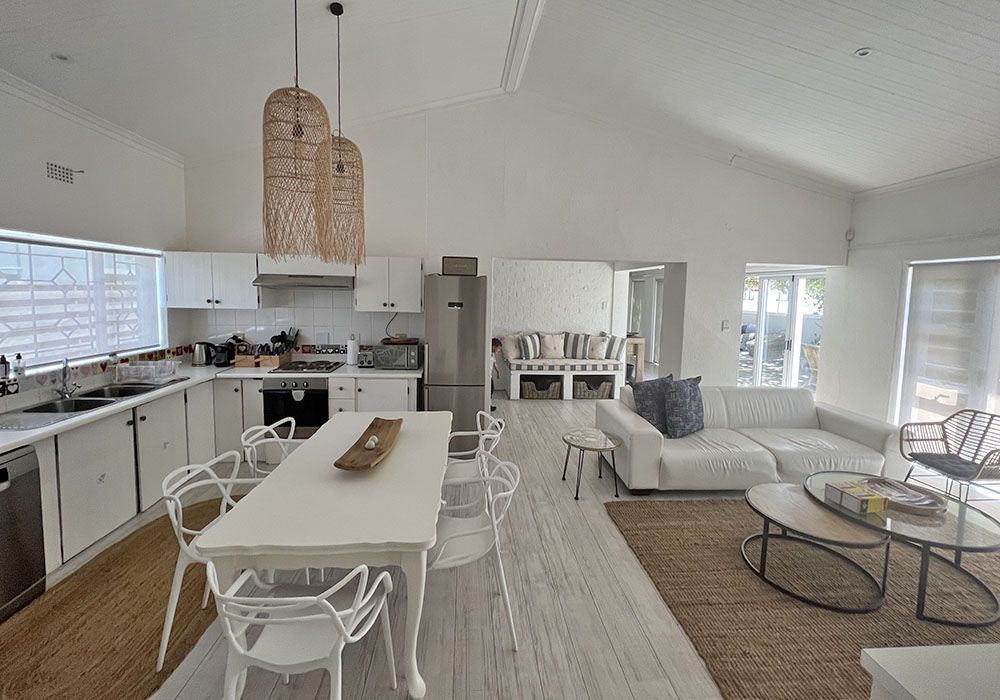
Everything. Any home has a place for an exchange. You can find everything from ordinary city apartments to second homes at the beach or in the mountains, including small apartments, modest village houses, authentic luxury homes in incredible destinations, villas with gardens and pools, and even motorhomes.
I assure you that you will be very surprised. I have stayed in spectacular houses and during my searches I have seen some that you wouldn’t even imagine finding. Take the opportunity to sleep in places that you might otherwise not be able to afford.
So yes, your house is also suitable for an exchange, regardless of whether it is small or located in a less touristy place. Try registering it and be surprised when you receive requests.
Does my house have to have any special requirements?
Nothing. I know there are many people who doubt if their home is suitable for home exchange. As I said before, they all work and they all have their audience. It is true that a house in the center of Paris or New York will receive many requests, but there will also be people looking to go to your village to disconnect or to get to know that not-so-famous city in Spain.
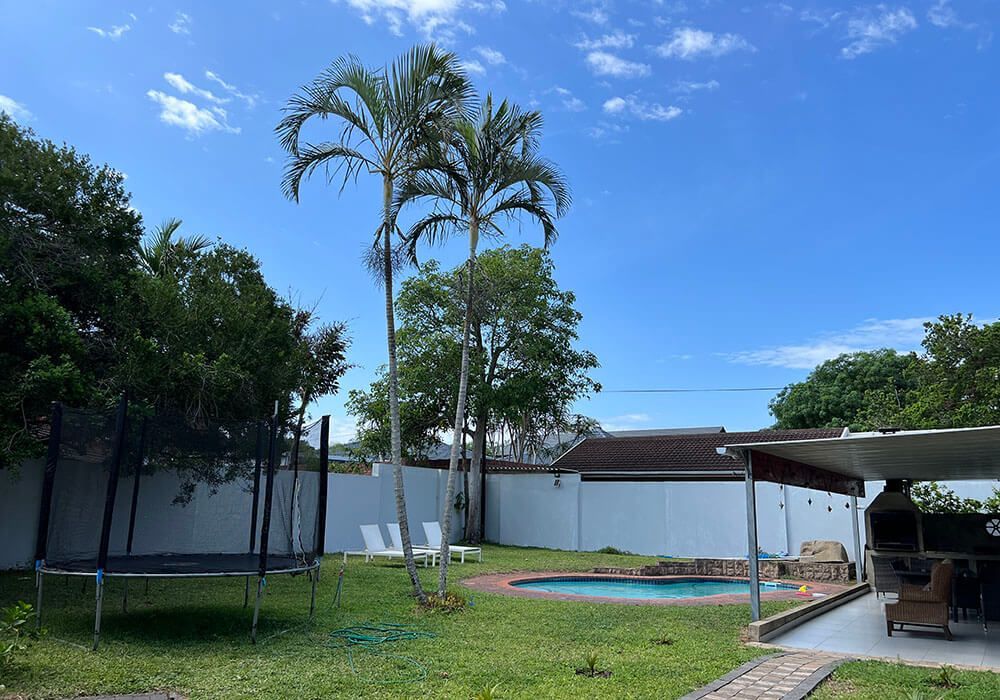
Living in the city of Madrid myself, I have stayed in villages in the Madrid mountains with no major attractions just to get out of my apartment to spend a different rural weekend and enjoy a garden where I could have barbecues and watch my children play.
How to search for exchange houses
The HomeExchange platform has a search system where you enter your destination, dates, and number of travelers. It also has a lot of filters according to your needs or desires, starting with the type of exchange you are looking for and continuing with things like whether they accept pets, if there is a pool, if there is parking, if children are welcome and if they have equipment for them (high chairs, toys…)
Regarding search tips to have a better chance of success, I think I would have to write an entire article. Here are a few: the more flexible you are in both dates and destination, the better; uncheck the response rate filter of more than 80% and many houses you hadn’t seen before will appear; check daily because new homes are registered or availability calendars are updated.

How to close an exchange
Once you see houses that interest you, write to the hosts via the chat on the HomeExchange website requesting the exchange and what type it would be. Tell them something about yourself, your plans at the destination, explain why you like their house… Think about what you would like to know when accepting a guest in your own home. Inspire trust.
It’s normal to have to send many requests until one fits, so don’t be discouraged, especially in high-demand destinations. It is true that sometimes the stars align and it works almost on the first try.
Once you receive a ‘yes, I do’, ask all your questions via the chat and make things clear that are important to both of you before registering it: from the arrival time to confirming some house rules. When you agree on everything, the host pre-approves the exchange and you will click accept.
At that moment, if it is an exchange with guestpoints, they are deducted from your balance and transferred to the host. You will receive an email with the confirmation and you will already have the exact address of the house and all the contact information. You can then communicate by email or WhatsApp, although I recommend that you use the HomeExchange chat for the most important things so the conversation is recorded if needed in case of any problems.
Who sets the guestpoints value of the houses?
You as the host. The platform will assign you a suggested number of guestpoints per night based on the location of your house, the number of rooms, the services it has… But then, it is you as the owner who decides whether to raise or lower that amount. If you have just started and, therefore, do not yet have reviews and ratings to attract potential guests, a good strategy is to set a low cost to receive more requests and start accumulating guestpoints in your balance.
If you are thinking about using home exchange, but can’t decide…
It’s normal to feel some reluctance or fear about leaving your house. Completely logical. I also had it the first time and it quickly disappeared as I used HomeExchange. I’ll leave you with some personal reflections and notes that have helped me and that I think might be useful to you:

-Whoever comes to your home will take care of it, because that person is also leaving their home to another stranger and will also want them to take care of it and be respectful.
-They are not going to take your belongings because you wouldn’t take things from others.
-Do things thinking about how you would like them to be for you when you are the guest.
-It’s your house and you set your rules. You have a rules section with things like if smoking is prohibited, if they have to water your plants, if you have a cat and it needs to be fed… But also in your home description you can add other conditions that are important to you.
-You have the power to decide who you host and who you don’t. You are not forced to accept all proposals that come your way, even if you have indicated on the calendar that the house is free. If it doesn’t inspire confidence, if it doesn’t fit for some reason, if you don’t want to receive people for only two days… Be polite, tell them you’re sorry, but it’s not possible, and wish them luck in their search.
-By not having money involved, everything is more collaborative, easy, and personal.
-After each exchange, you rate your guest as a visitor and they rate you as a host. No one wants negative reviews that later make it difficult to find exchanges or prevent you from receiving requests, so it’s normal for everyone to make an effort to do their best.
-You’re going to discover that there are wonderful people on the other side, who help you with your doubts, who recommend places to go, who solve small problems for you, who welcome you to their home with a breakfast basket, or who leave a bottle of wine in your house before leaving.
-Practicing hospitality with your guests ends up creating as much of a habit as discovering that you can travel much more than before. Both things make you feel good.
-If it’s useful for you to have a document with all the info of the house you arrive at (from the wifi password, to how that weird microwave works, to knowing if there’s a bus that takes you directly to the center or where to eat cheap and well in the neighborhood), make a similar one for your guests. If you like finding things for breakfast or for a first dinner when you arrive, leave them too.
-In other people’s homes, people also have their things; they don’t dismantle their house when they go on vacation. And yes, the closets are also crammed with clothes just like in yours. Don’t worry, if you can make some space and indicate that they have a shelf and some free hangers, great; otherwise, leaving the suitcase open on the floor for a weekend is not serious.
-Home exchanging is not just a means of saving money, it’s also a way to meet incredible people, to learn to respect, to empathize, and to discover other different ways of living.
-If you practice home exchanging with your children, you have a goldmine for educating them in respect and diversity. They will take care of other’s toys because they won’t want another child to break theirs (besides being very convenient when traveling in terms of logistics).
-Don’t worry if you cannot personally receive your guests or don’t have anyone to open the door for them. You can hide the keys, install a lockbox with a code, or send them by courier and ask your guest to cover the costs.
-If you have a rental home, it is also legal to practice home exchange, just as you can invite a friend. You just have to make sure that it is not prohibited in your contract, and when in doubt, discuss it with your landlord.
If you have more questions about home exchanging, don’t hesitate to ask me anything in the comments.
*This article is the result of all my personal experiences traveling to exchange homes, but it is also part of a collaboration with HomeExchange, a platform for which I am an ambassador. If you sign up through this link, you will get extra guestpoints and I will too.


