

Myanmar is trying to move, even if with slow, uncertain, and tired steps, towards a real democracy. But the journey is too difficult because it carries on its shoulders a heavy burden overflowing with poverty, massacres, torture, ethnic conflicts, and repression that seems impossible to finally get rid of. Hesitant even about what it should be called, whether Burma or Myanmar, it continues to struggle with the desire to remove the mask and truly overthrow the military hiding in the government, behind their false civilian garments, to continue exercising their power.
At least now, its partial opening to tourism seems to give it a bit more visibility to the rest of the world, which is starting to hear about this Asian country, stagnant until recently in time, more frequently. However, despite the progress, a large part of the territory remains barefoot and with feet sunken in the mud.
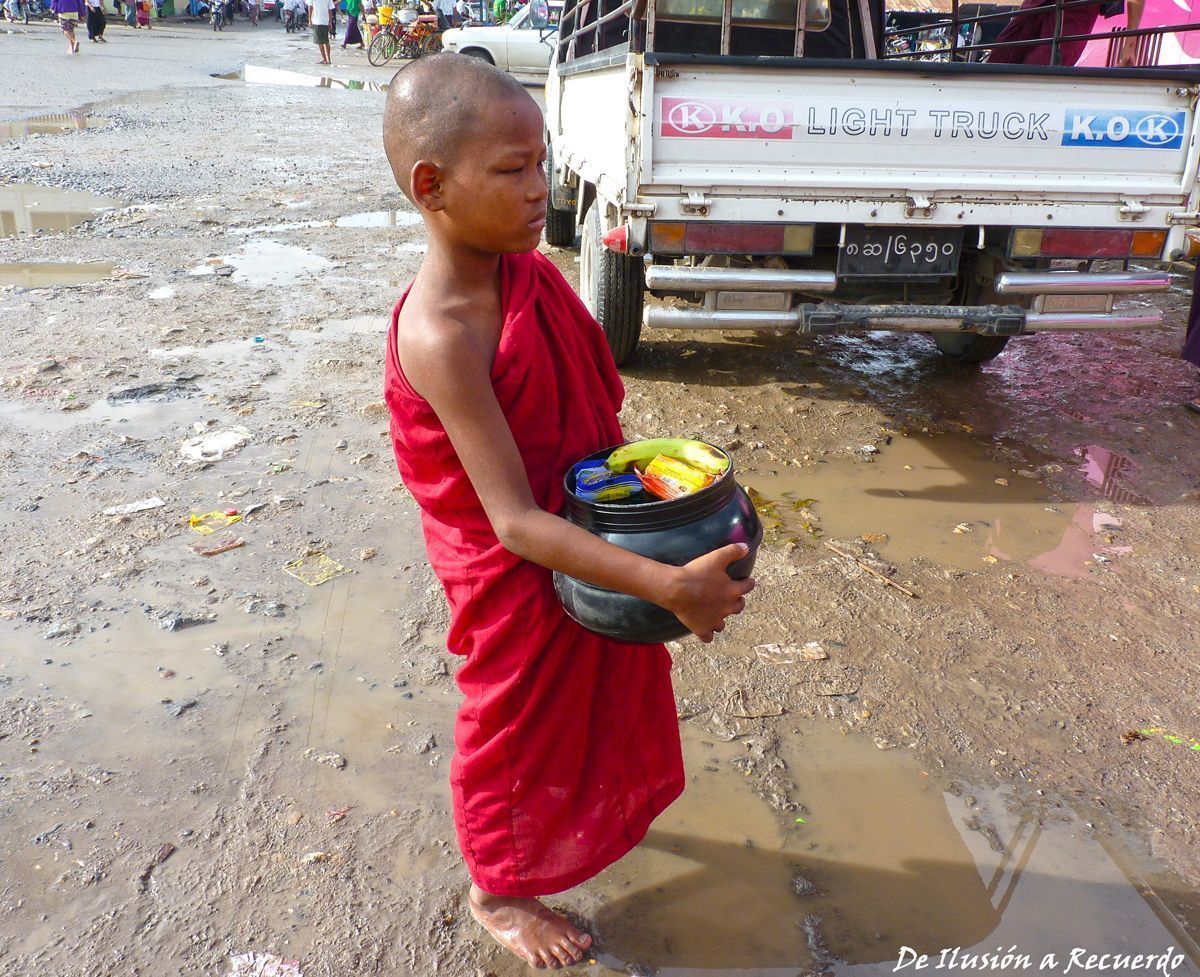
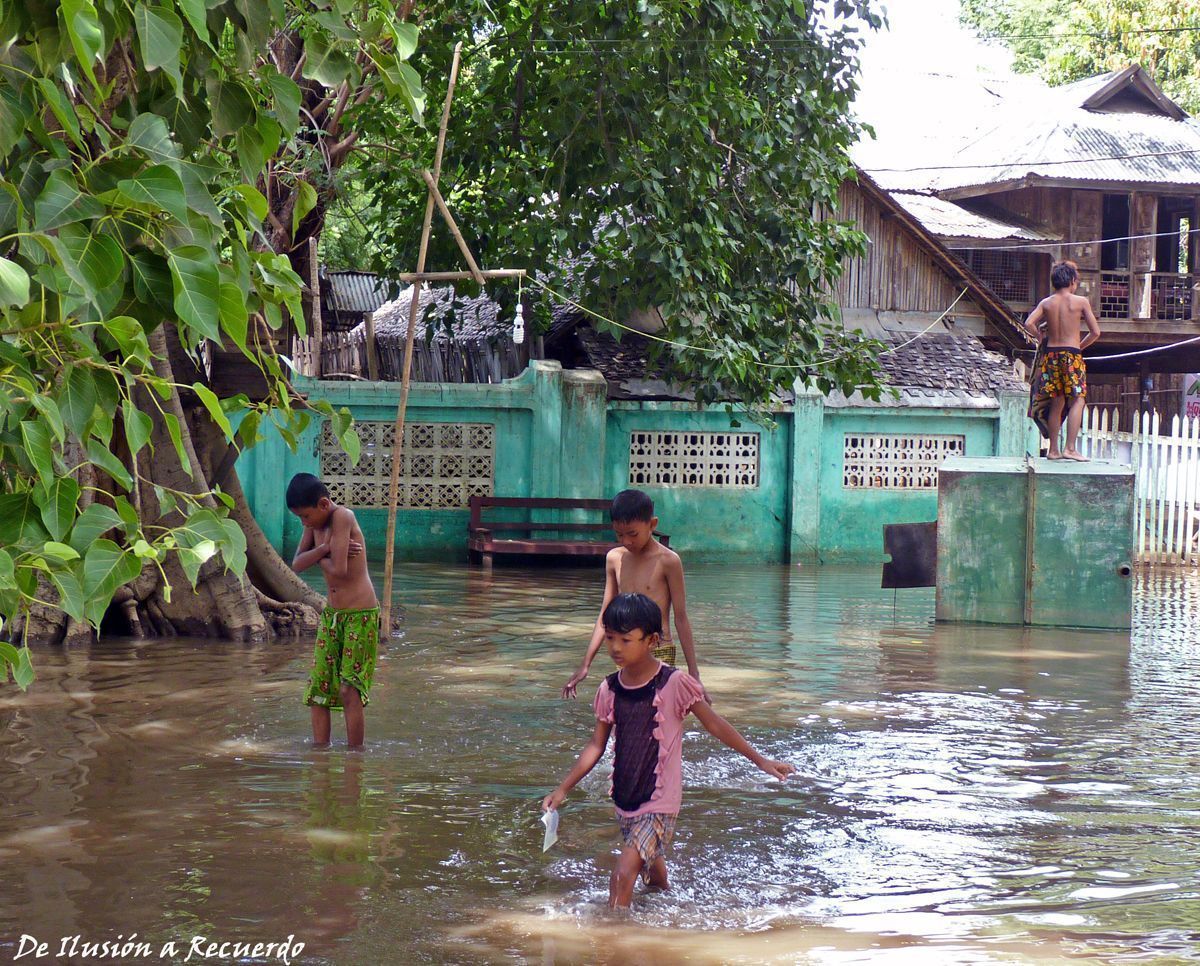
And in the midst of political unrest, but unfortunately not on the sidelines, is the child population of Myanmar. I want to turn my gaze towards the youngest ones because they are the future to pull the country out of the pit where it finds itself. Obviously, they will not reach the upcoming 2015 elections, where there are fantasies of obtaining the long-awaited real democracy in elections that are not fraudulent, but they do represent hope. Let’s be honest, in a place where human rights are still being trampled upon and problems are multiplying for them, children have it quite difficult, but not impossible.
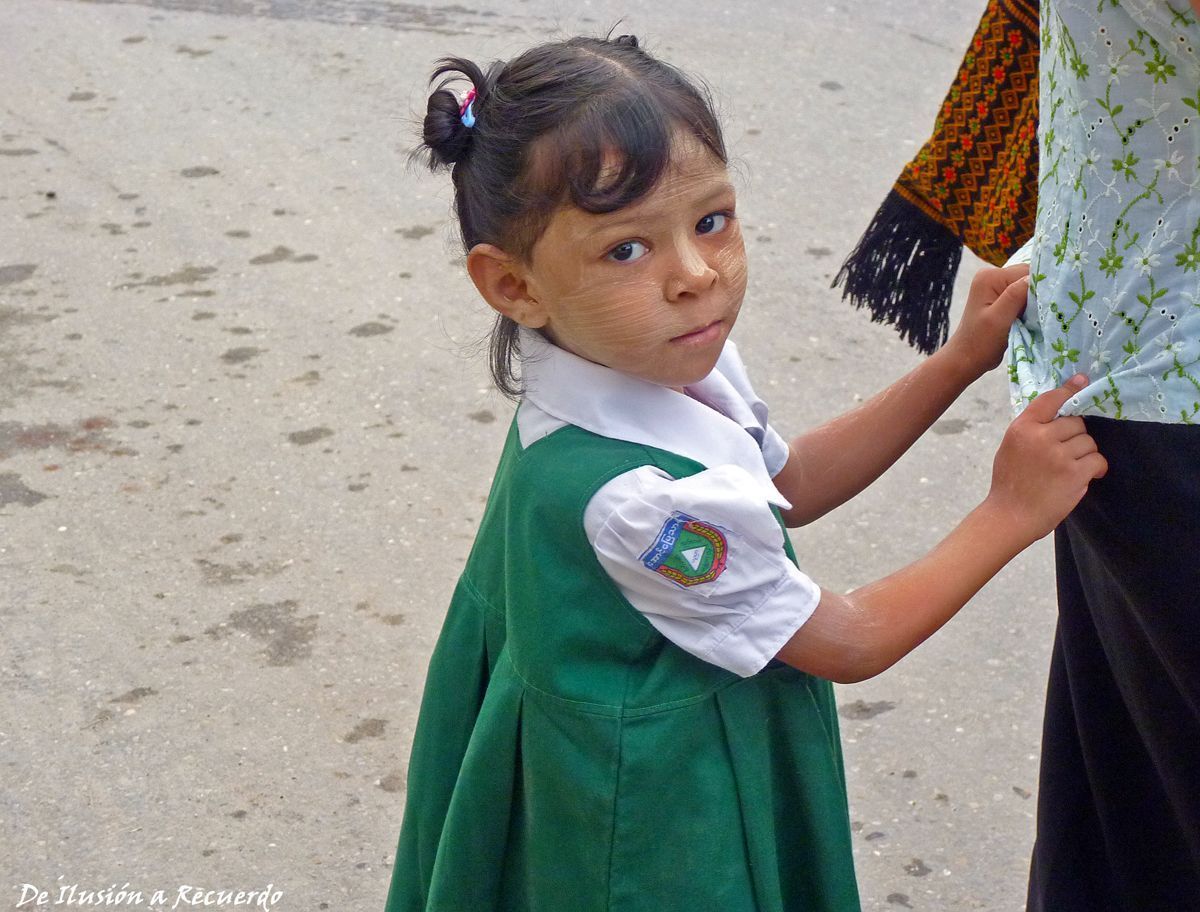
One of the problems they face is education. Despite being mandatory between the ages of five and ten, according to UNICEF less than 50% manage to finish primary school. Although in theory access is free, the salaries of teachers in public schools are so miserable that, at times, they end up demanding fees from parents. When parents cannot pay, the situation is resolved either by the teacher leaving in search of another source of income, or by the little ones being sent to beg or work.
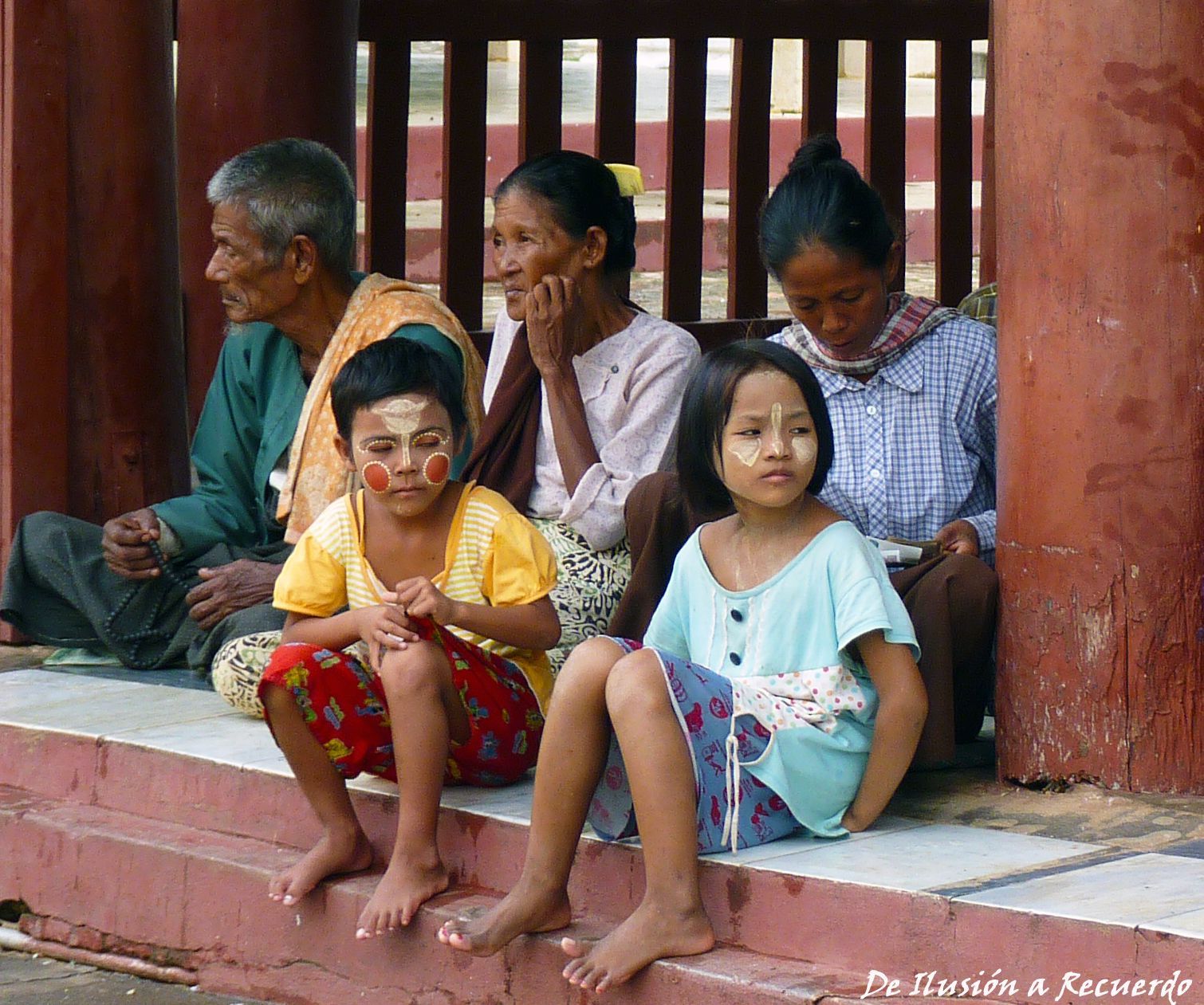
In June 2012, the Burmese Government and the UN signed an agreement aimed at stopping the recruitment of child soldiers, as well as to release and reintegrate those who were still in the ranks of the army, known under the name of Tatmadaw, or in the hands of various armed groups and ethnic guerrillas. Since that date, according to the NGO Child Soldiers International, around 176 minors have been returned to their homes; however, this nefarious practice has not been completely stopped. There are still areas where, through deception, coercion, or force, children are separated from their families to put a rifle in their hands, subject them to harsh training, and teach them the use of violence to fight for causes that they will surely never understand.
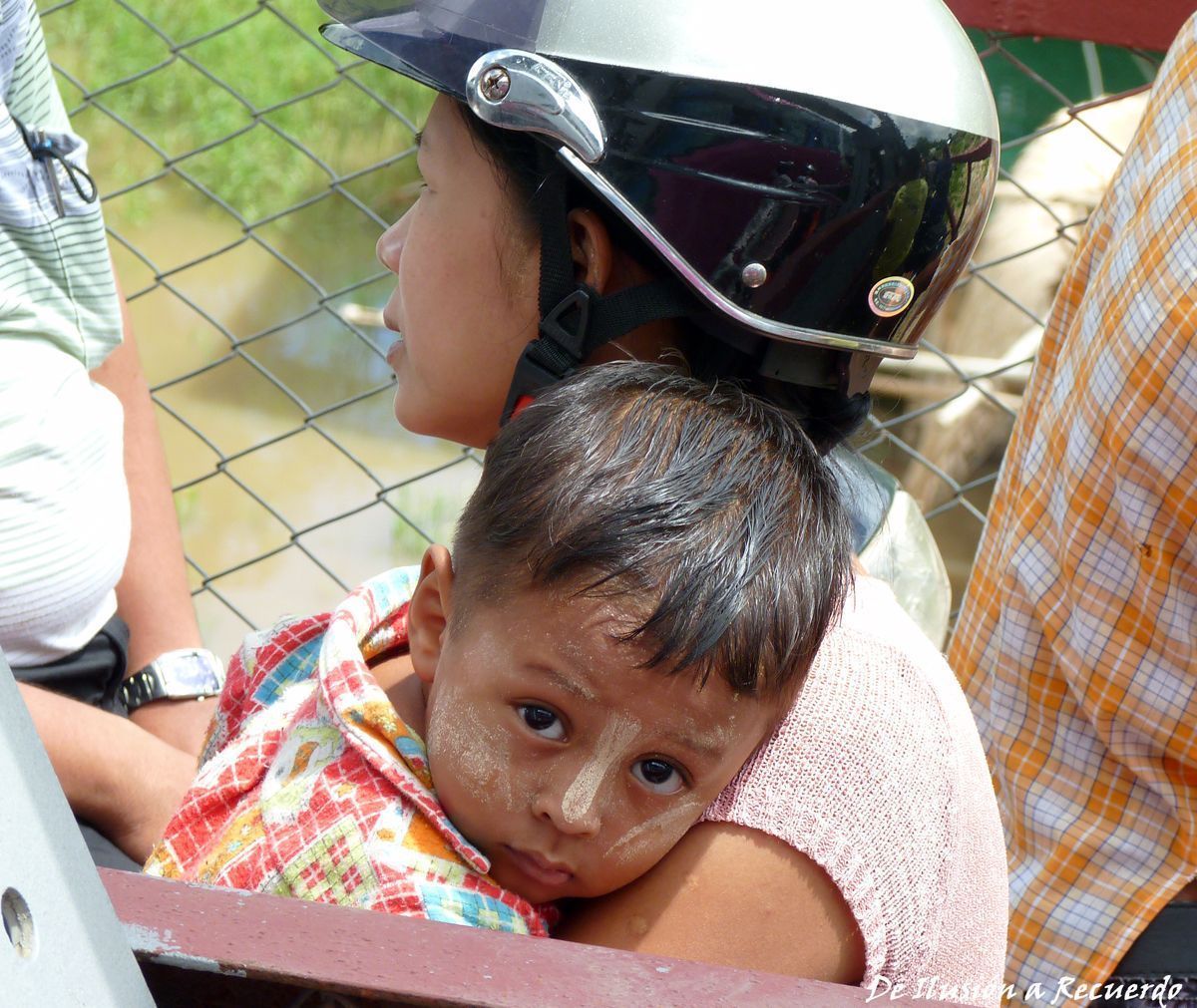
More than half a million people, a third of whom are minors, have been forced, by poverty and armed conflicts, to leave their homes and move to other areas of the country, most of them in the Eastern Burma. Here the situation is especially delicate because the youngest children live with HIV, tuberculosis, malaria, and malnutrition; factors that contribute to one in five children dying before reaching five years of age. The border with Thailand is home to nine refugee camps where around 160,000 Burmese try to survive daily; many of them end up as cheap labor for that country. 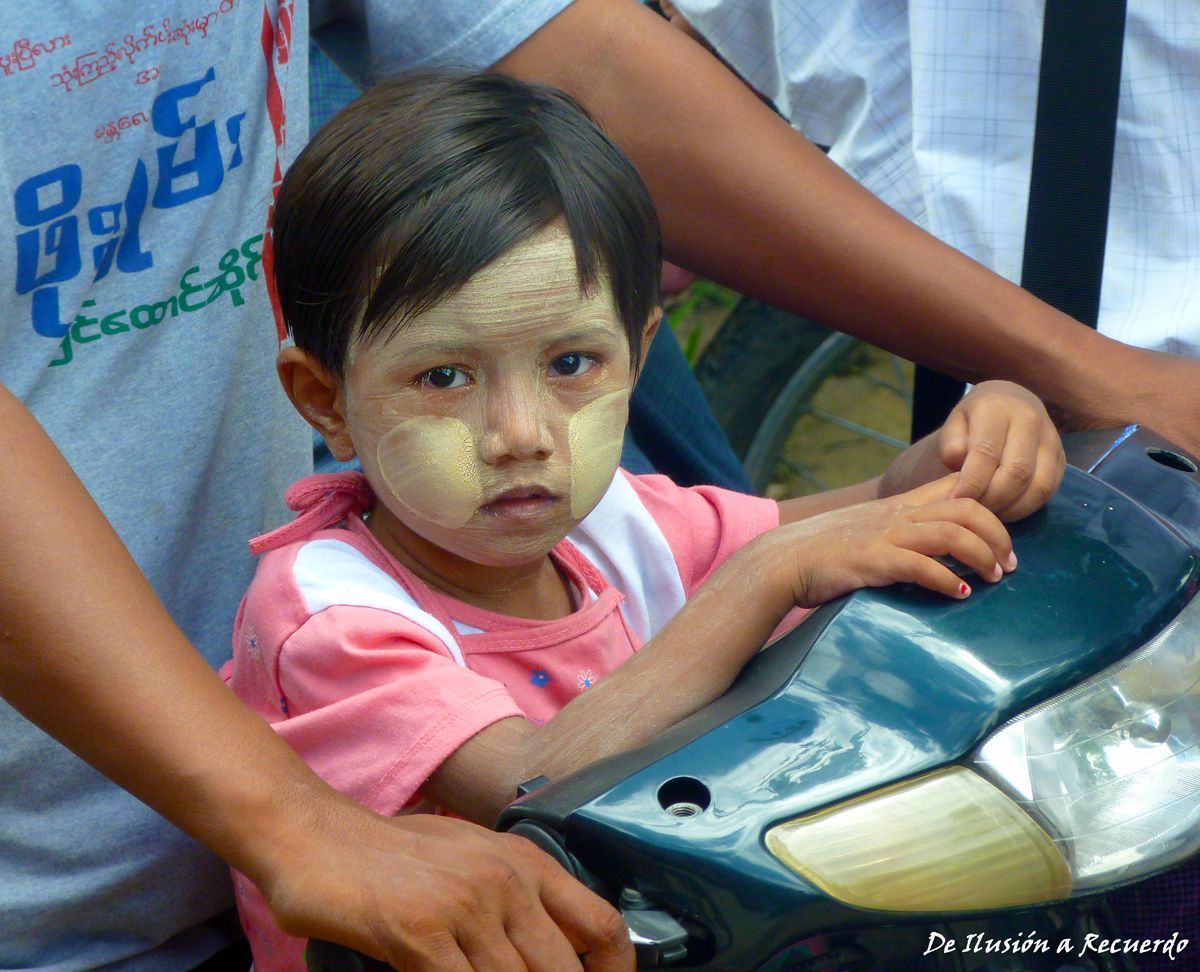
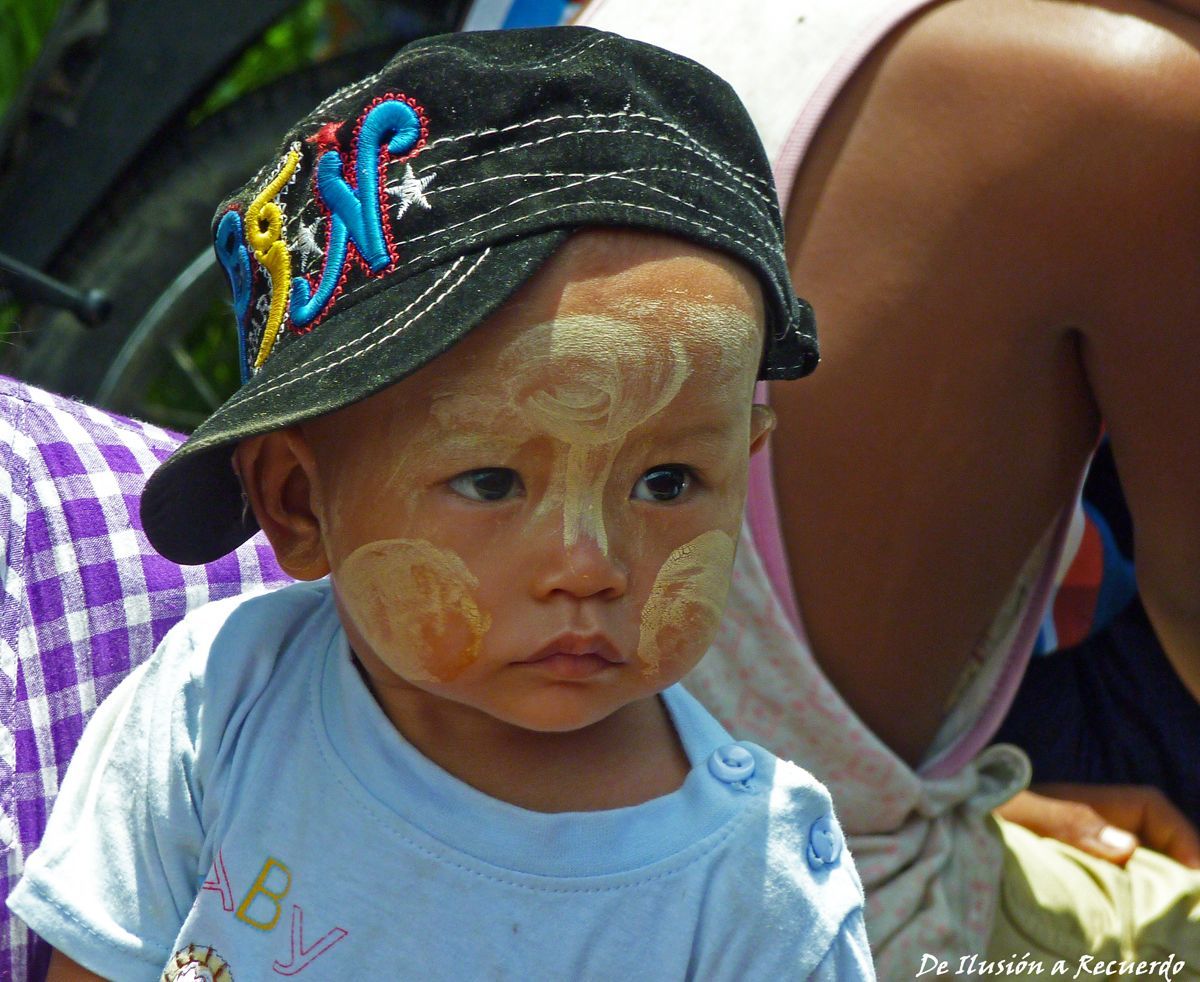
Fortunately, there are many people aware of the vulnerability of children in Myanmar, and it is very simple to collaborate with them to minimize this infamous situation and contribute to a better future for all these little ones. There are many non-governmental organizations dedicated to working for this cause, but here I share the work done by the Spaniards of Colabora Birmania based in the Thai city of Mae Sot . If you travel there, do not hesitate to contact them to help in any of the eight solidarity projects they carry out, but from here you can also contribute to drawing more smiles like these full of hope
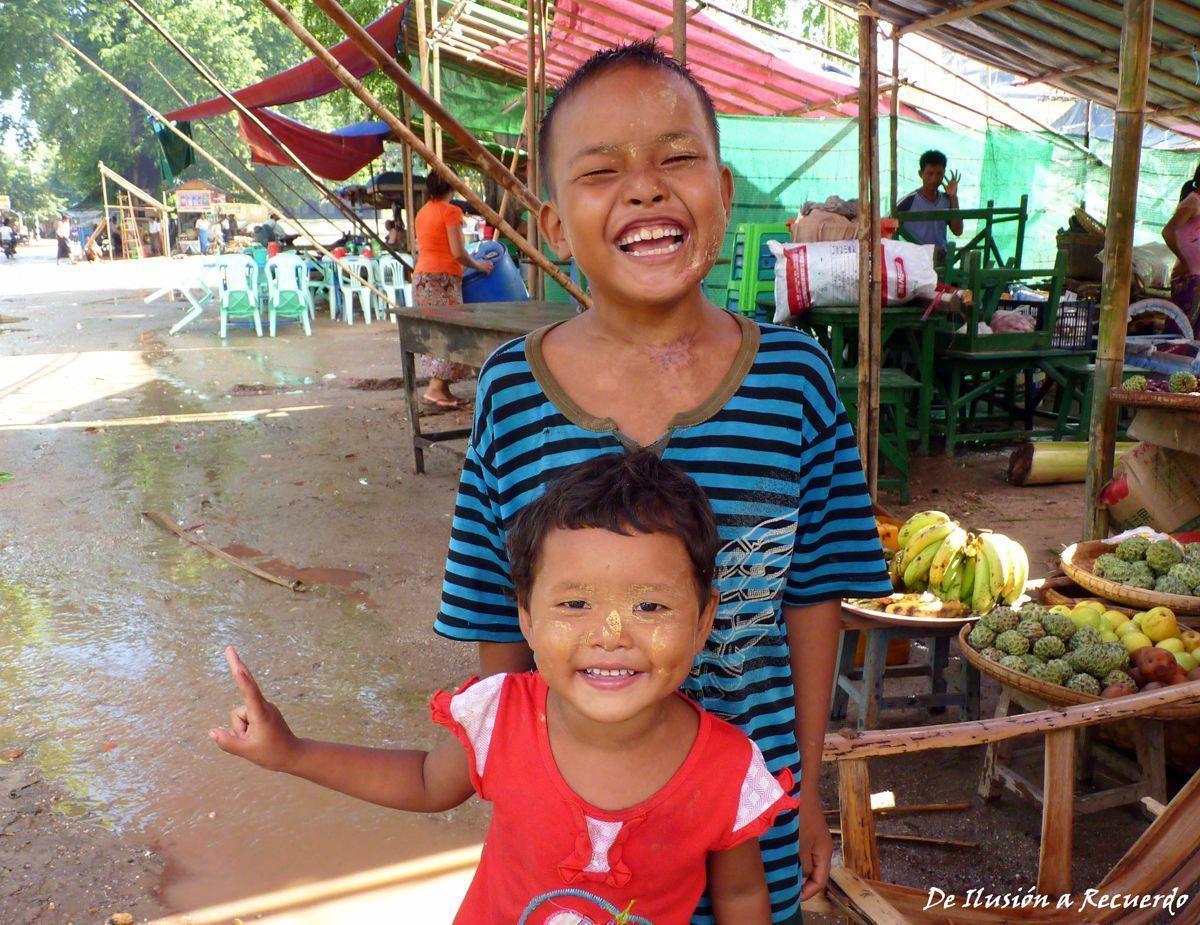
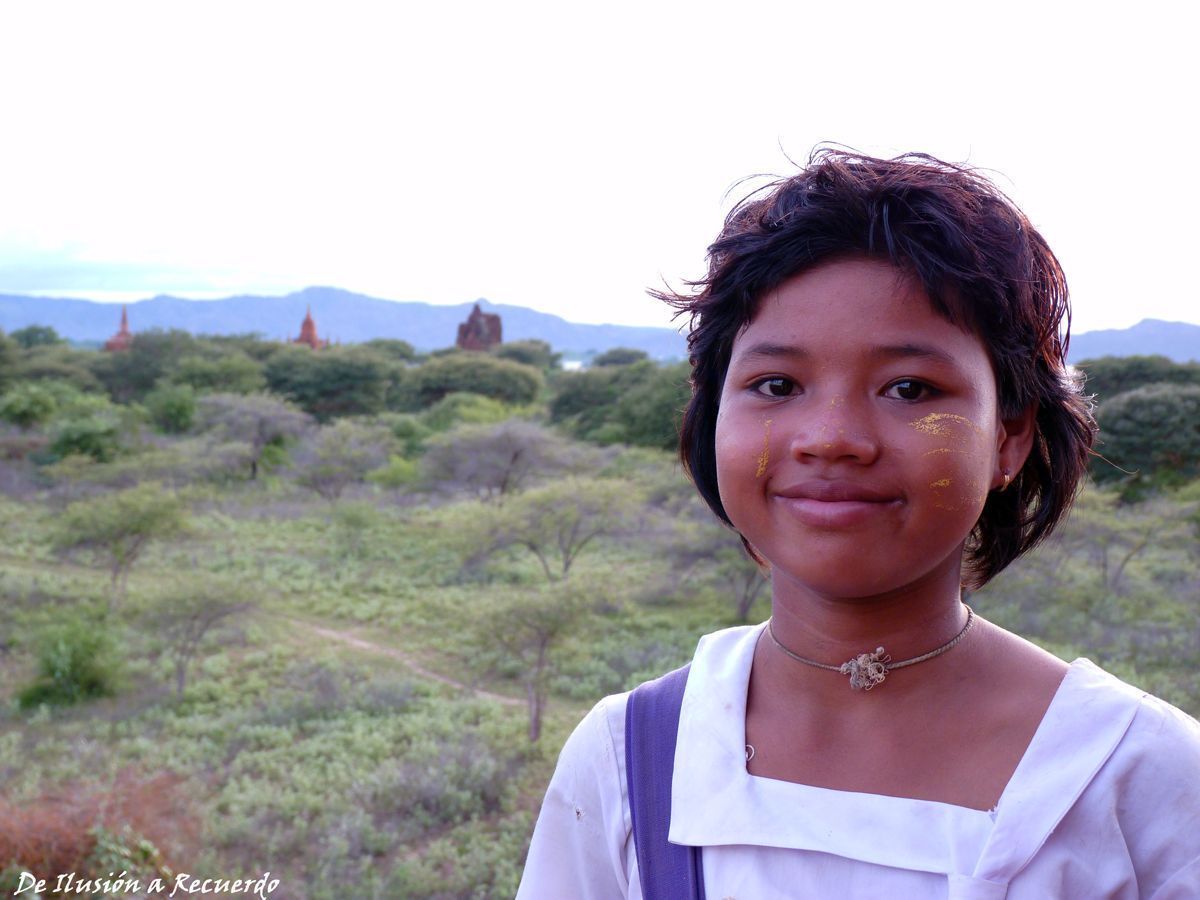
As easy as contributing to the solidarity project El Viaje, created by 18 travelers who take you on a journey across the world through a book with 185 photographs they have taken in the 74 countries they have visited. All the money raised will go to support the work of Colabora Birmania and, furthermore, as a patron of the project, you take home at least a digital version of the book. This way, of course, there is no excuse not to contribute to improving the situation of children in Myanmar.
Throughout my travels, I have realized that one of the memories most special that I have always brought back in my backpack is the smile of a child. From Bagan, I brought back the one from that little girl who helped her parents at a fruit stand in a remote village in Bagan. Help now so there can be many more.
Lend a hand to Colabora Birmania through the solidarity project El Viaje

